 Aesop’s Fables Home Page🔒 SSL Verified
Live Data Status: |E-commerce & Retail
Welcome to the detailed analysis for fablesofaesop.com. This domain is officially recognized as Aesop's Fables Home Page - Fables of Aesop. According to their official web presence, their primary focus is: "Throughout history fables have been a popular method of giving instruction. Aesop's Fables contain a narrative that seeks to illustrate a hidden message.".
Table of Contents
- Tech Stack
- WordPress
- Link Profile
- Internal Pages: 332Outbound Links: 8
- Localization
- en
6-Month Traffic Trend Estimate
M1
M2
M3
M4
M5
M6
Estimated Market Value
$16,500
Based on domain age, authority, and keyword relevance.
TLD Availability Risk
- fablesofaesop.comTaken
- fablesofaesop.netTaken
- fablesofaesop.orgTaken
- fablesofaesop.ioTaken
- fablesofaesop.coAvailable
- fablesofaesop.aiAvailable
Content Snippets from fablesofaesop.com
"Throughout history fables have been a popular method of giving instruction. Fables contain a short narrative that seeks to illustrate a hidden message. Generally, fables use animals or objects as part of the narrative yet the message is designed to apply to humans. By doing this, the fabulist is not perceived as the teacher and this reduces any bias the listeners might have against the person. The most famous fabulist would be Aesop who most date around 620 B.C. Many fables are attributed to Aesop, but it’s unclear how many he actually wrote; indeed, his historical existence as a person is under question. I’ve collected many of them here for your enjoyment. A number of translations were found and the fables collected. Several different translations and interpretations of the same fable may be found on many of the pages here; including, now and again, a simplified version I wrote."
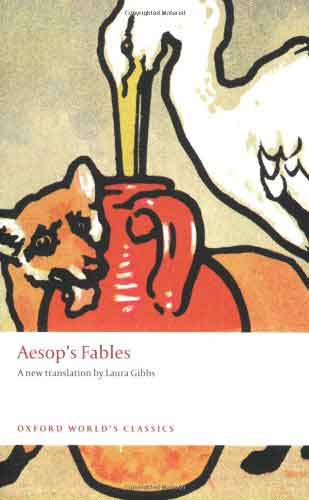
"The collection here is being added to as new sources are uncovered. But, if you are in a hurry and want to see what is likely one of the better print books containing modern translations of some 600 original Greek and Latin versions, then see the book *Aesop’s Fables by Laura Gibbs, translator*. Latin versions collected by Laura Gibbs are also included with some fables here. They come from the public domain section of her book Mille Fabulae et Una: 1001 Aesop’s Fables in Latin. (Some fables may have multiple Latin versions due to various indexing systems and translations.)"
"In addition to the text versions of the fables, materials from several visual versions have been incorporated into the presentation here. As one example, some of the more classic fables were, in 1887, put into verse and printed along with dramatic illustrations. Those versions are presented as “Crane Poetry Visual” summaries with the image shown at the right. Both the visual and poetic text are included on the fable pages. The specific book these came from is: The Baby’s Own Aesop by Walter Crane and engraved and printed in colors by Edmund Evans; it was published by George Routledge & Sons in London and New York, 1887. You can see a copy of the book at the Library of Congress."
"A series of 100 longer adapted fables have also been added from an 1828 book by James Northcote, R.A. called One Hundred Fables, original and selected. Wood engravings embellish these fables. The fables are expanded with much more text than a simple translation and several have annotations at the end that describe how the fable applies to modern (1828) times. Some of these notations are longer than the fable. Search for this book on Google Books."
Key Topics & Focus Areas for fablesofaesop.com:
Primary Sidebar
By comparing fablesofaesop.com to other leading websites in its niche, marketers and researchers can identify key traffic sources and growth opportunities. Explore our related resources below to find websites similar to fablesofaesop.com.
Frequently Asked Questions
Is fablesofaesop.com a safe and secure website?
Yes, according to our latest analysis, we detected a valid SSL certificate ensuring a secure connection.
What is the authority score of fablesofaesop.com?
As of July 26, 2026, fablesofaesop.com holds an estimated domain authority score of 75/100 based on our VisitRank tracking algorithms.
What are the top alternatives to fablesofaesop.com?
You can find the best alternatives and similar sites to fablesofaesop.com in our explore section, which includes competitors in the E-commerce & Retail sector.
Data Sources & Methodology: DNS telemetry and routing records are resolved via live root servers. Market valuation estimates are computed algorithmically based on proprietary historical indexation multiples and standardized digital asset appraisal methodologies.
Common Misspellings & Typo Domains for fablesofaesop.com:
fbalesofaesop.comfalesofaesop.comfaablesofaesop.comfeblesofaesop.comfablasofaesop.comfablesofaesop.comfablesofeesop.comfablesofaasop.comfqblesofaesop.comfsblesofaesop.com